ABOUT THE PROJECT

About PHOENIX

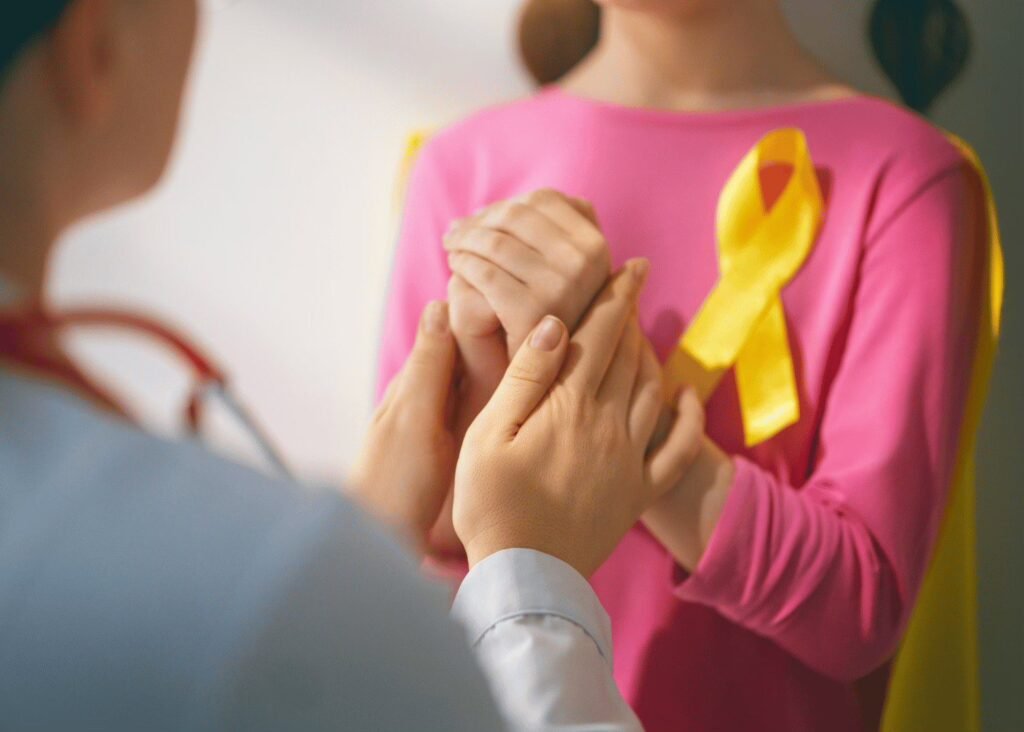
A child in a pink jumper with a yellow awareness ribbon holding a parent's hands

Background

Childhood cancer remains one of the leading causes of disease-related death among children and adolescents. Although survival rates have improved considerably over recent decades, children with relapsed or refractory solid tumours continue to face poor prognoses and limited treatment options.

Current therapies often rely on intensive chemotherapy, radiotherapy and surgery. While these approaches have saved many lives, they can also lead to severe long-term physical, cognitive and emotional side effects that affect survivors throughout adulthood.

A smiling child with glasses playing in a ball pit
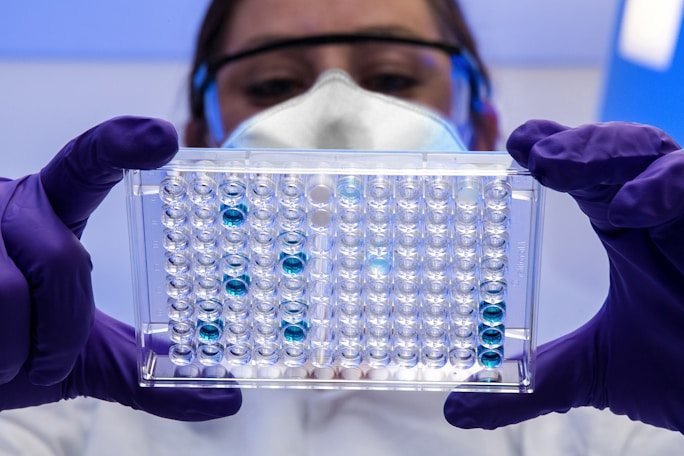
A researcher holding a laboratory well plate
A child playing with giant soap bubbles in a park

“Children and adolescents with cancer need therapies adapted to their biology and age, which are effective but also less toxic. With this project, we aim not only to improve survival, but also the quality of life of patients and their families.”

Dr Lucas Moreno

Head of the Paediatric Oncology and Haematology Department, Vall d’Hebron University Hospital

Children running along a tree-lined path
Children doing arts and crafts at a table
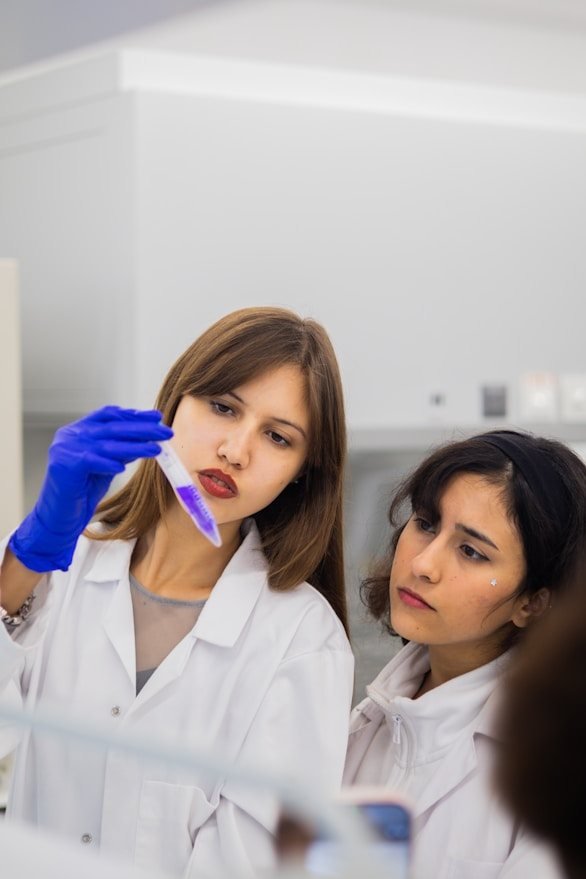
Two young researchers working in a laboratory

Mission

PHOENIX aims to improve the treatment of children and adolescents with relapsed or treatment-resistant solid tumours by developing safer, more effective and more personalised therapeutic approaches.

At the heart of PHOENIX is the first multinational Phase I/II clinical trial evaluating ibrilatazar, an innovative anticancer drug designed to offer a safer therapeutic approach for children. The project also integrates biomarker discovery and liquid biopsy technologies to support personalised treatment strategies.

PHOENIX at a glance

Duration

0 years

Partners

0

Countries

0

Funding

€ 0 M

Programme

Horizon Europe – Cancer Mission

Clinical trial

Phase I/II

Coordinator

Vall d’Hebron Research Institute (VHIR)

Target patients

Children & adolescents with relapsed/refractory solid tumours

PHOENIX Approach

PHOENIX addresses childhood cancer through an integrated approach that combines clinical research, pharmaceutical innovation, personalised medicine and patient-centred care. Together, these activities aim to accelerate the development of safer therapies and improve outcomes for children and adolescents with high-risk cancers.

Clinical trial

Conduct the first multinational Phase I/II clinical trial evaluating ibrilatazar in paediatric patients with relapsed or refractory solid tumours.

Innovative therapies

Assess ibrilatazar both as a single agent and in combination with chemotherapy and immunotherapy.

Paediatric formulation

Develop a child-friendly oral formulation to improve treatment administration and adherence.

Precision medicine

Identify biomarkers and integrate liquid biopsy technologies to support personalised treatment strategies.

Equity

Investigate social and healthcare barriers that influence access to innovative cancer treatments across Europe.

Future impact

Generate evidence to support future standards of care and improve long-term outcomes for children with cancer.